

WHO Self-Care Month: The Quiet Burnout of Being the Capable One
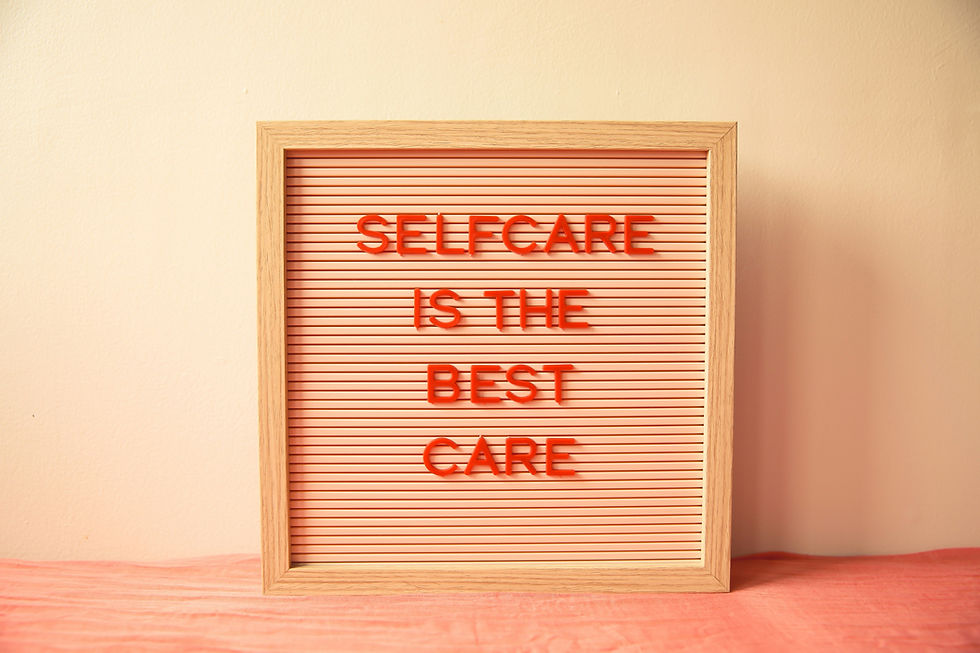
This Self-Care Month, mental health experts are drawing attention to the people least likely to prioritize their own well-being - the ones who care for everyone but themselves.They are often described as the people who "have it all together." They're dependable, reliable and the first to step in when someone needs support. But beneath this outward composure, psychologists say many are quietly carrying an emotional burden that often goes unnoticed, even by themselves.
While burnout is commonly associated with overwhelming workloads and chronic workplace stress, mental health professionals are increasingly recognising a quieter form of emotional exhaustion, one experienced by people who continue to perform and care for others while neglecting their own wellbeing. The World Health Organization (WHO) defines burnout as a syndrome resulting from chronic workplace stress that has not been successfully managed. Fittingly, July 24 - International Self-Care Day - falls at the end of WHO’s own Self-Care Month, a reminder that even the most capable people need care of their own.
Dahlia Yamout, Clinical Psychologist at Thrive Wellbeing Centre, says this is something she frequently encounters in clinical practice.
"There is a particular kind of burnout that often goes unnoticed, not because it is less painful, but because the people experiencing it are usually the ones everyone relies on.
They are the capable ones. The friend who is always available. The employee who never misses a deadline. The daughter who keeps the family together. On the outside, they appear resilient, productive, and emotionally composed. Beneath that, however, they are often carrying chronic exhaustion, resentment, and a deep sense of loneliness."
According to Dahlia, many people fail to recognize the signs because their identity has become closely tied to being dependable. Rather than acknowledging their own needs, they continue pushing forward, often believing they simply need to work harder or that other people's struggles are more important than their own.
"As a psychologist, I often work with individuals who struggle to recognize that they are burnt out because their sense of self has become closely tied to being dependable. They tell themselves, 'If I stop, everything will fall apart,' or 'Other people have it much worse than I do.' Over time, they become disconnected from their own needs, emotions, and limits."
She explains that these patterns often begin much earlier in life, with many capable individuals growing up believing that love or acceptance depended on being responsible, helpful or emotionally self-sufficient. As a result, rest can feel uncomfortable, asking for support unfamiliar and setting boundaries a source of guilt.
Recovery, Dahlia says, is not about becoming less capable, but about redefining what strength looks like.
"Healing is not about becoming less capable. It is about allowing your identity to exist beyond productivity and caretaking. It is learning that your worth is not measured by how much you do for others, and that your needs deserve the same care and attention you so freely offer everyone else."
Recognising the early signs of high-functioning burnout is often the first step towards preventing it from escalating. Feeling emotionally numb despite remaining productive, struggling to switch off, becoming increasingly irritable, feeling guilty when resting or consistently putting other people's needs ahead of your own can all be signs that it is time to pause and seek support. True resilience is not about carrying everything alone - it is about knowing when to ask for help.
Dahlia leaves those struggling with one final reminder:
"Sometimes the strongest people are not the ones who carry everything alone. They are the ones who allow themselves to finally put some of the weight down."
For additional information and resources, please visit www.thrive.ae


Comments