

2026 In Wellness // What’s In, What’s Out
- Jan 3
- 4 min read
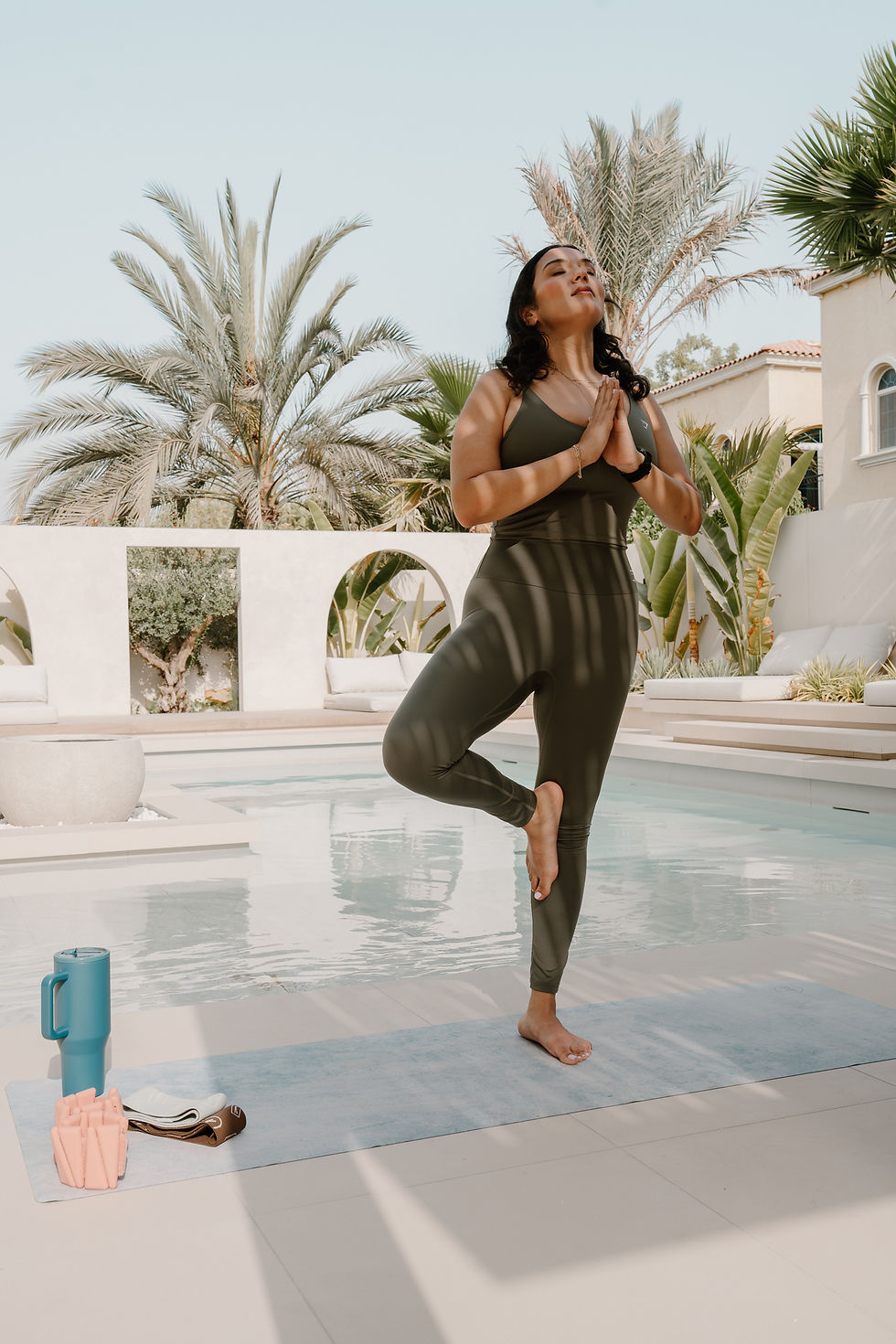
The wellness industry has always been a mirror to our collective anxieties and aspirations. As we step into 2026, the landscape is shifting to be less about one-off trends and more towards wellness with intention.
After building the UAE's first wellness subscription box, I've learnt that what people choose to invest in, whether it's a supplement, a practice, or a philosophy, reveals everything about where we are as a society. This year, the conversation is changing. We're moving past the performative wellness of the Instagram era into something quieter, more rooted, and infinitely more interesting.
// What's Out: The Exhaustion Economy
Let's start with what's dying, and good riddance. First goes the "that girl" aesthetic, from its 5 AM wake-up calls and militaristic morning routines, it is finally losing its grip. Detox teas and celebrity-endorsed supplements with dubious claims are also on their way out. Consumers are demanding transparency and efficacy over marketing gloss, and the industry is being forced to respond.
The "biohacking bro" culture (think extreme ice baths, excessive supplementation, and treating your body like a science experiment) is also losing relevance. Wellness shouldn't require a PhD or a trust fund. The most effective practices are often the oldest and most accessible.
// What's In:
1. The Return to Slowness
So what is replacing this frenetic energy? Slowness. Not as laziness, but as resistance.
We're seeing this play out beautifully in the UAE, where women are reclaiming ancient practices, such as hammam rituals, frankincense burning, and date seed coffee, not for nostalgia but as rebellion against the constant optimisation of self.
Cyclical living is having its moment, too. Understanding how hormonal cycles, circadian rhythms, and seasonal changes affect our bodies isn't new science, but it's finally entering mainstream wellness. Women across the Gulf are organising their work, exercise, and social lives around their natural rhythms rather than fighting against them.
Functional fitness is also replacing aesthetic fitness. People want to move in ways that serve their daily lives, including carrying groceries, playing with children, and maintaining mobility into older age. The question has shifted from "How do I look?" to "How do I want to feel at 70?"
2. The Quiet Revolution of Mental Wellness
Perhaps the most significant shift is how we're talking about mental health. The UAE's National Program for Happiness and Wellbeing has made mental wellness a policy priority, and the stigma that once surrounded therapy is dissolving, particularly among younger generations.
But here's what's genuinely new: we're moving beyond talk therapy as the only solution. Traditional healing systems have always known that the mind and body aren't separate entities. Therefore, somatic practices of using movement-based therapies to address trauma stored in the body are gaining traction. Breathwork, ecstatic dance, and sound healing are being integrated into clinical practice.. This integration is reshaping everything from corporate wellness programs to hospital recovery protocols, reflecting this fundamental shift in how we approach psychological health.
3. Sustainability Isn't Optional Anymore
Clean beauty has evolved into clean wellness, and consumers in the region are leading this charge. We're seeing unprecedented demand for locally sourced, minimal-waste wellness products. According to McKinsey's consumer research, more than 60% of consumers now consider sustainability when making purchasing decisions, with younger demographics prioritising it even more heavily. But it's bigger than purchasing decisions. It's about recognising that personal wellness and planetary wellness are inseparable. You can't green juice your way to health on a dying planet. The most switched-on wellness brands are building circularity into everything they do. For instance, Patagonia's Worn Wear programme takes back used gear for repair and resale, keeping products in circulation for years. Lululemon's Like New platform does the same for activewear, while UAE-based platforms like Reloved are making circular fashion accessible by creating a marketplace for pre-loved activewear, clothing, and wellness essentials. These aren't just marketing initiatives; they're fundamental redesigns of how wellness products move through the world.
4. The Personalisation Paradigm
Generic wellness advice is out; personalised approaches are in. The rise of accessible genetic testing, microbiome analysis, and wearable technology means we're finally moving beyond one-size-fits-all recommendations. In the UAE for example, where it's home to over 200 nationalities, personalised wellness that honors different cultural practices, dietary requirements, and genetic predispositions isn't just smart, it's essential. For example, the WellnessWonderz specialised boxes (Strength, Pilates, Outdoor) recognise that people move differently and find joy in different practices. We're not prescribing wellness; we're providing tools for people to discover what works for them.
Every quarter year, as I curate our boxes, I ask: does this serve the person who's strength training at dawn? The pilates enthusiast seeking mindful movement? The trail runner who finds clarity outdoors? Because wellness is as individual as the person practising it.
5. Community Over Content
The loneliness epidemic has been called a public health crisis, and wellness in 2026 is responding with a renewed focus on connection. We're moving away from solo wellness journeys performed for social media toward genuine community experiences. Group classes, wellness circles, and shared rituals are seeing resurgence because they address what supplements and serums never could: our fundamental need for belonging.
The wellness of 2026 isn't about perfection or optimisation. It's about integration, sustainability, and the courage to slow down in a world that profits from our acceleration. It's about community over competition, and depth over performance. The revolution will not be instagrammable, and that's precisely the point. And I don’t know about you, but I am here for it.
// Imane Belhabes, Founder of WellnessWonderz
For more information, visit wellnesswonderz.com or @wellnesswonderzme.


Comments